Identify Your Pest Crawling insects
Identify Your Pest
Crawling Insects and Spiders in Alberta Homes
This guide covers bed bugs, cockroaches, ants, beetles, silverfish, earwigs, spiders and other crawlers found in Alberta buildings. Some are harmless, while others signal a problem to deal with early. Note the size, colour and where you found it, then open the closest match to see how serious it is and what to do next.
Pick the closest match
Crawling insects we identify and treat
Bed bug
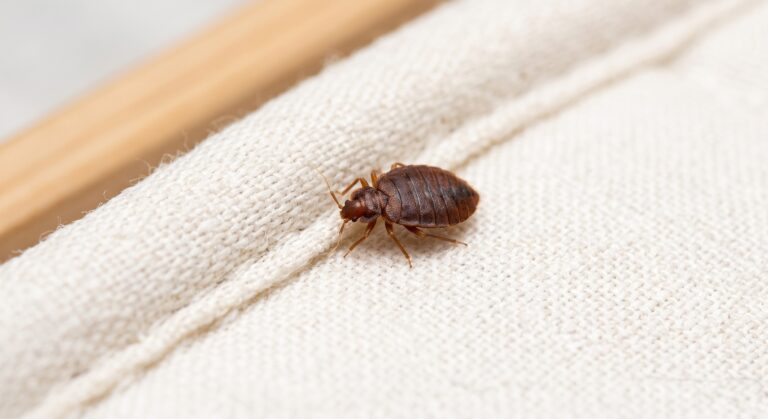
Bed bugs are blood-feeding insects about the size of an apple seed that hide in and around beds. Most people first notice them through itchy welts, small dark stains on sheets or a live bug tucked into a mattress seam.
Boxelder bug
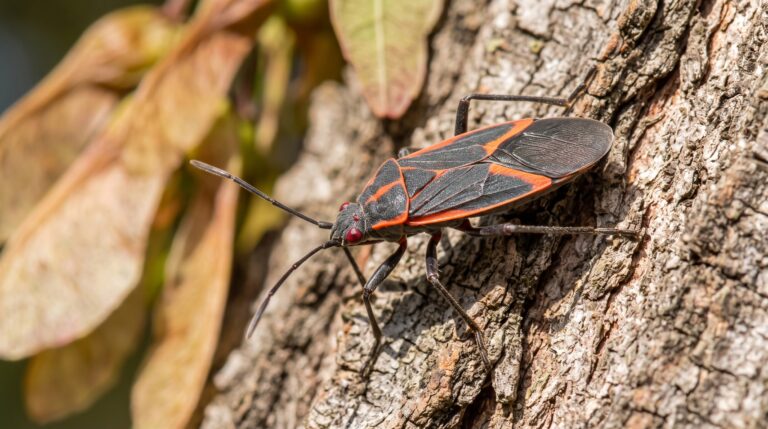
The boxelder bug is a black and red insect that feeds mainly on the seeds of Manitoba maple trees. It is noticed in late summer and fall, when large groups gather on sunny walls and slip indoors to spend the winter.
Brown-banded cockroach
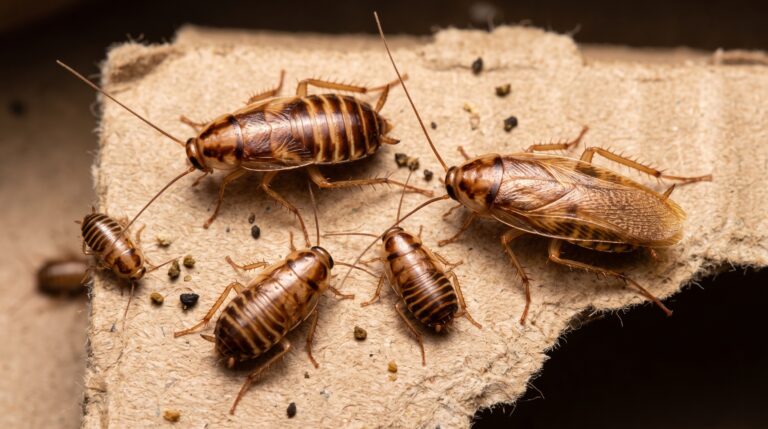
The brown-banded cockroach is a small indoor cockroach named for the pale bands across its wings and body. It is rarely reported in Alberta, and it stands out because it hides in warm, dry rooms such as bedrooms and living rooms.
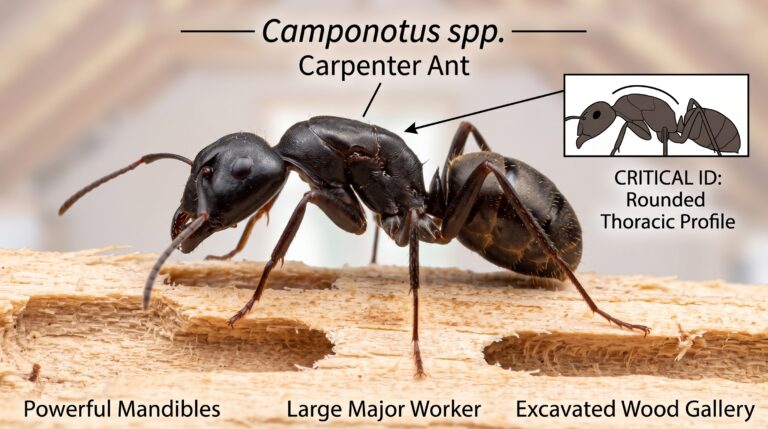
Carpenter ant
Carpenter ants are large black ants that chew out nests in damp or softened wood. Homeowners usually notice them when big ants wander indoors, winged ants gather near windows, or small piles of sawdust appear below trim.
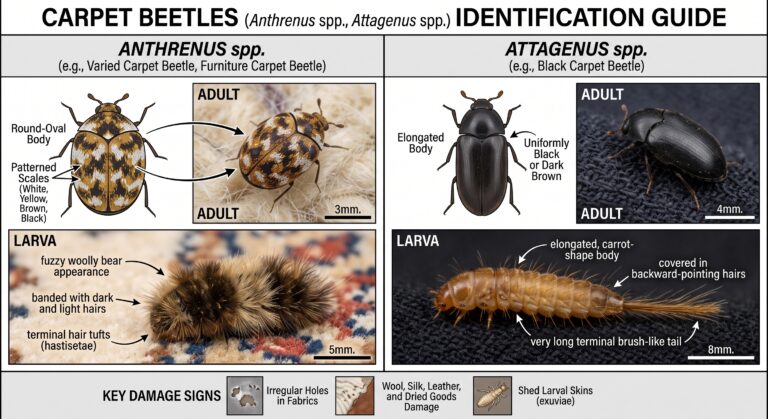
Carpet beetle
Carpet beetles are tiny, rounded beetles whose fuzzy larvae chew wool, fur, feathers, silk and other animal fibres. Most people notice the adults on windowsills in spring or find small holes and bristly shed skins in rugs, closets and stored clothing.
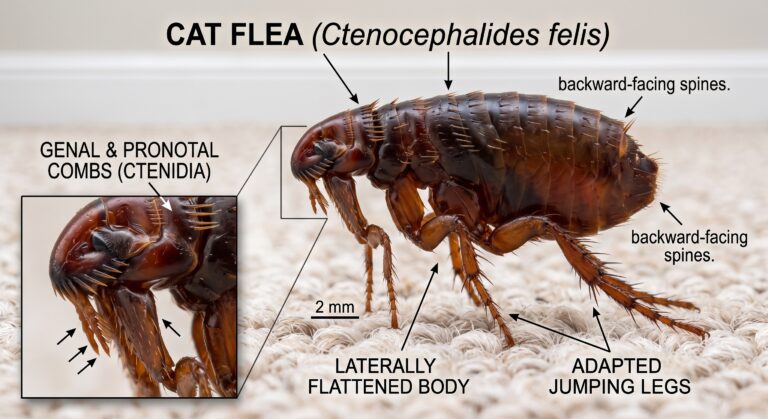
Cat flea
The cat flea is a tiny, jumping insect that feeds on the blood of cats, dogs and other animals, and will bite people too. It is the flea most often found on pets in North America, and most people notice it through a scratching pet or itchy bites on the ankles.
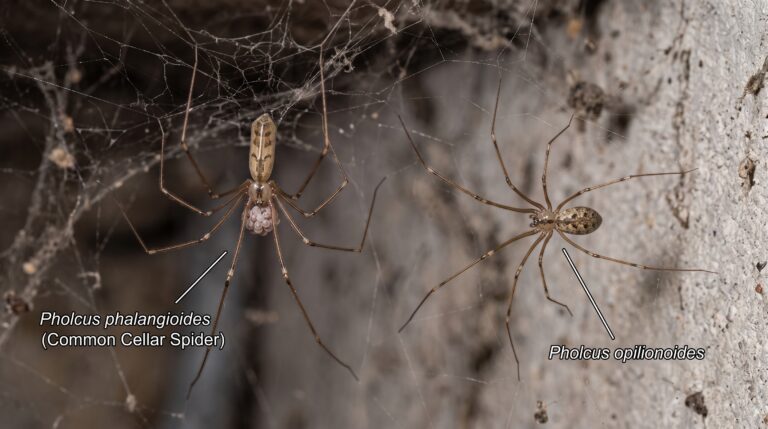
Cellar spider
Cellar spiders are pale, delicate spiders with very long, thin legs that hang upside down in loose webs in basements, garages and ceiling corners. People notice them because of their long legs and untidy webs, but they are harmless to people.
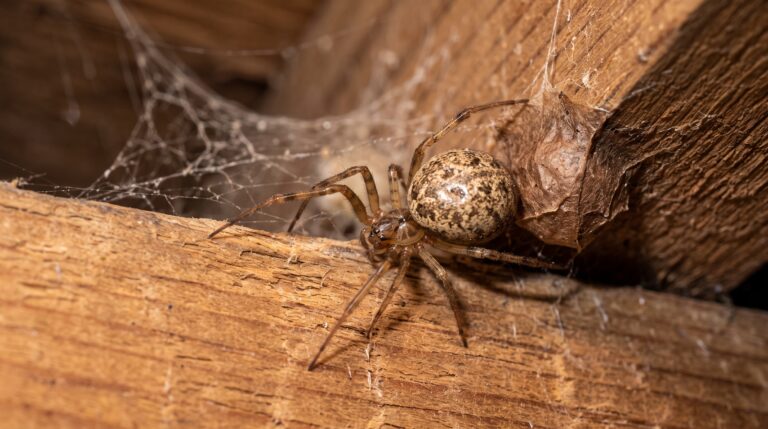
Common house spider
The common house spider is a small cobweb spider that builds messy, tangled webs in quiet corners of buildings. It is rarely confirmed in Alberta, where related cobweb spiders such as the boreal combfoot are recorded far more often.
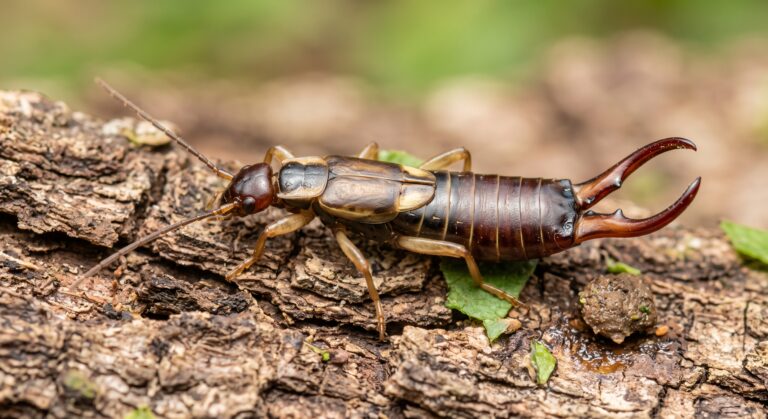
European earwig
The European earwig is a slender brown insect with a pair of pincers at the tail end. It hides in damp, dark spots by day and is noticed when it turns up under patio cushions, in flowers or inside the home in summer.
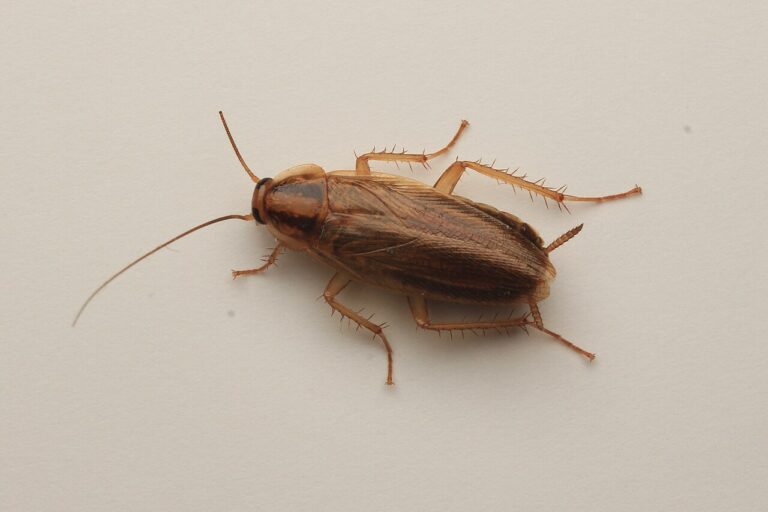
German cockroach
The German cockroach is a small, fast, light brown cockroach that breeds inside heated buildings. Alberta Health Services names it the most common cockroach in the province, and it is usually spotted at night near kitchen sinks, stoves and bathroom fixtures.
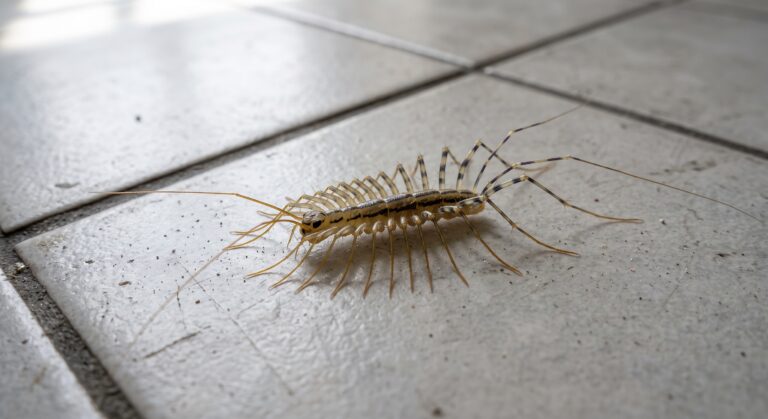
House centipede
The house centipede is a fast, long-legged hunter that, in cold climates, lives mostly inside heated buildings. It is rarely reported in Alberta, where the centipede most often recorded is the shorter-legged brown stone centipede.
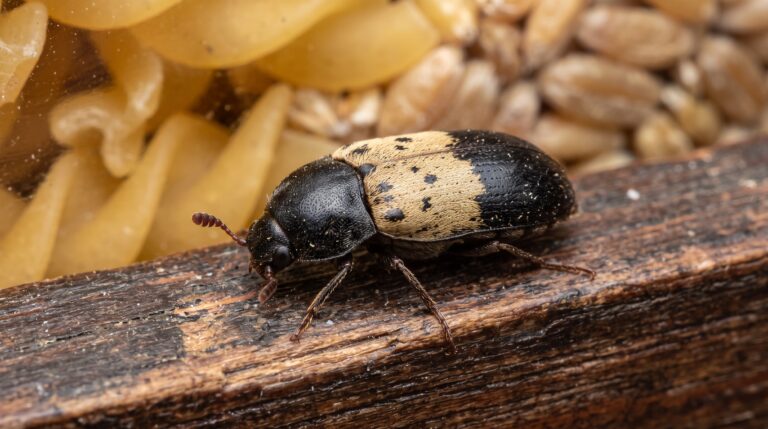
Larder beetle
The larder beetle is a dark, oval beetle with a pale band across its back that feeds on dried meat, pet food and dead insects or animals. In Alberta, most people notice the adults indoors in spring, often near windows, lights or the pantry.
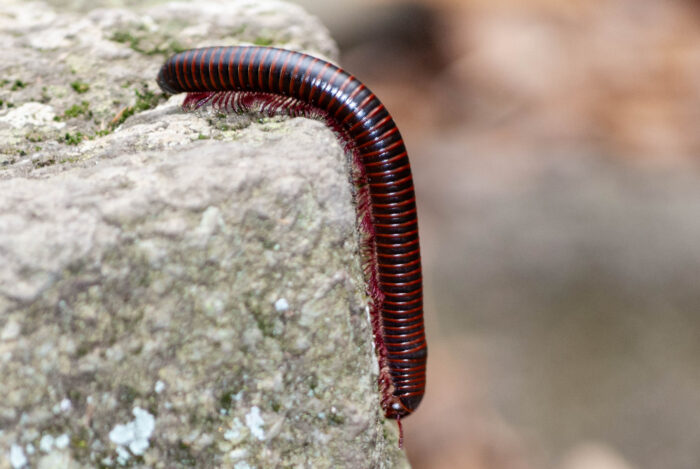
Millipede
Millipedes are slow, many-legged creatures that eat rotting leaves and other decaying plant material. They are noticed when a few wander into a damp basement or turn up in potted plants and soil brought indoors.
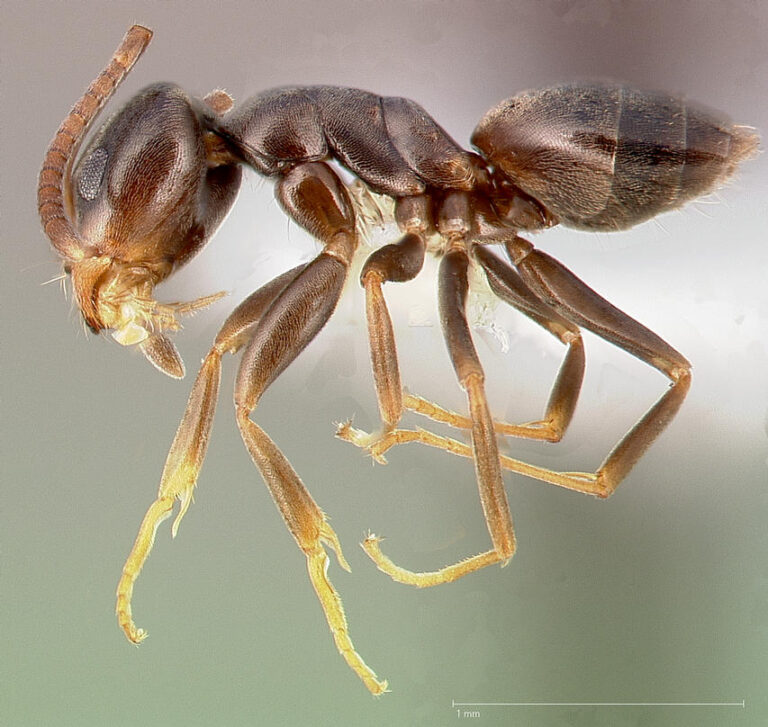
Odorous house ant
The odorous house ant is a small, dark native ant that gives off a smell like rotten coconut when crushed. It is often noticed as a busy trail along counters, sinks or baseboards, heading for sweet food.
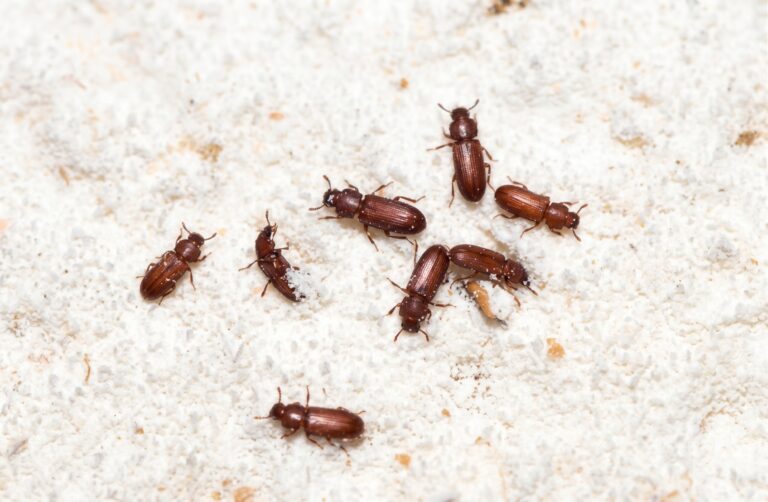
Pantry beetles (stored product beetles)
Pantry beetles are small beetles that live and breed in dry foods such as flour, cereal, rice, spices and pet food. People usually notice them crawling on shelves or in an opened package, and most arrive in the home inside food bought at a store.
Pavement ant
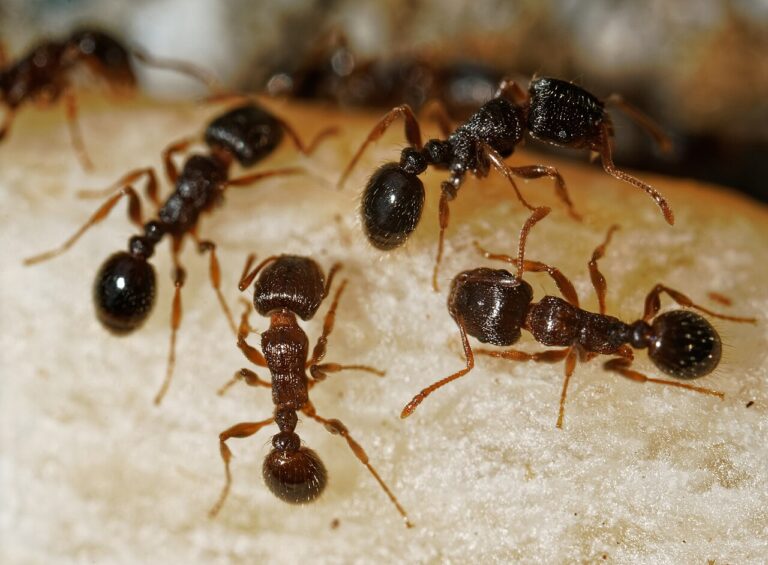
Pavement ants are small, dark ants that live in the soil beneath concrete, such as walkways, parking pads and basement floors. They are rare in Alberta, so most small ants seen along local sidewalks turn out to be native species.
Pharaoh ant
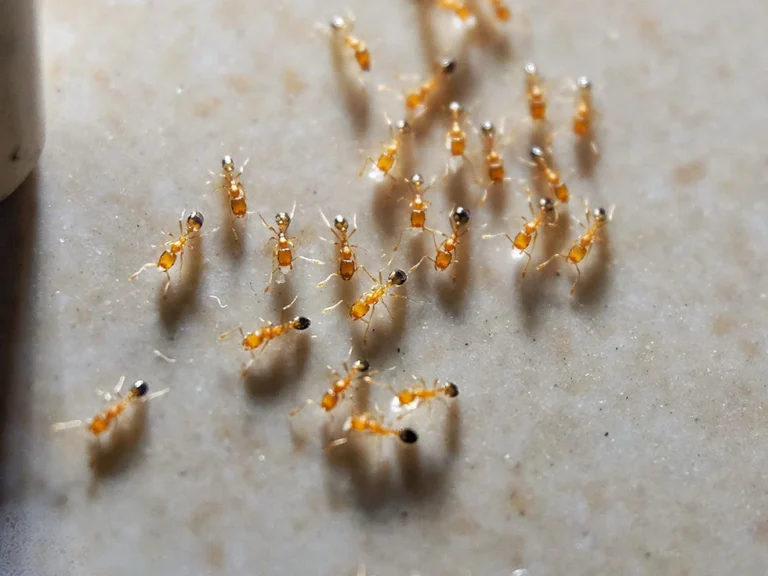
Pharaoh ants are tiny, pale yellow ants from warm climates that can only survive in Alberta inside heated buildings. They are noticed in apartments, hospitals and food businesses, where large colonies spread quietly through walls and pipes.
Silverfish
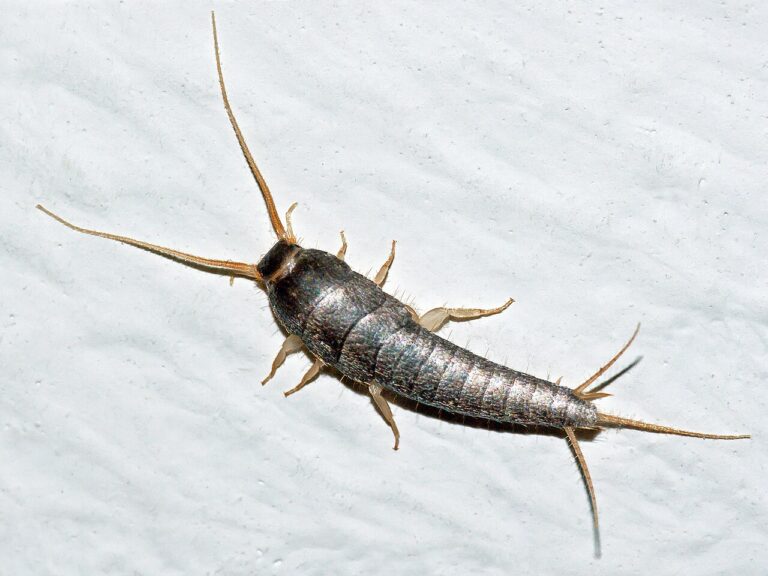
Silverfish are fast, wingless insects covered in shiny grey scales, with a body that narrows to three thin tails. People usually spot them at night in bathtubs, sinks and damp basements, and over time they can damage paper, books and starchy fabrics.
Sow bugs and pill bugs
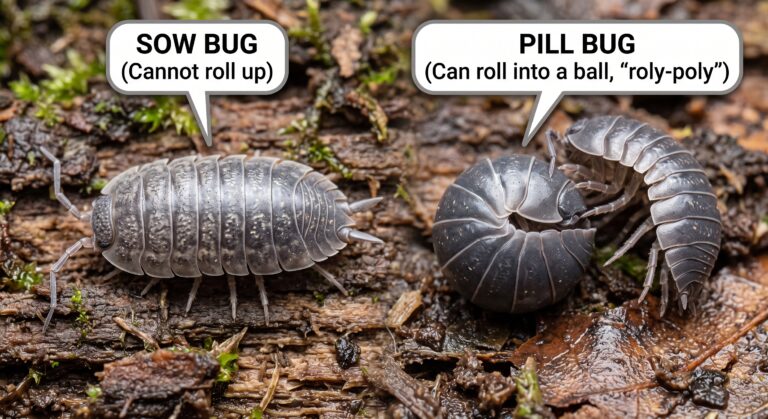
Sow bugs and pill bugs are small, grey, armoured crustaceans that live in damp soil and leaf litter. People notice them when they wander into basements, window wells and entryways, which usually points to extra moisture nearby.
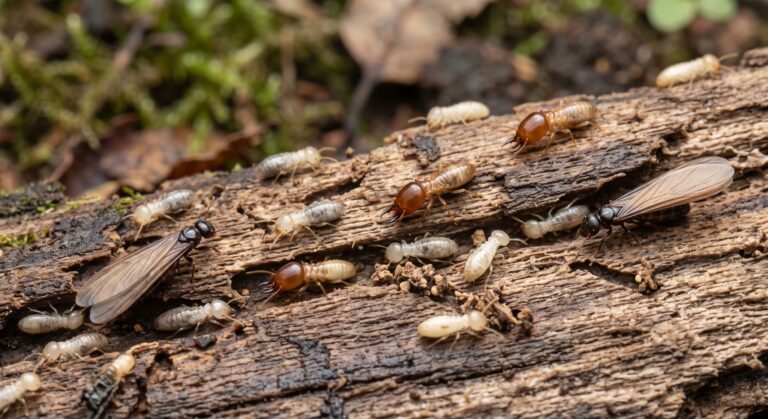
Termites
Termites are small, pale insects that live in colonies and feed on wood. Alberta has one native species, known from dry prairie near Medicine Hat, but building damage is rarely reported, so a suspected termite elsewhere is more likely a winged ant.
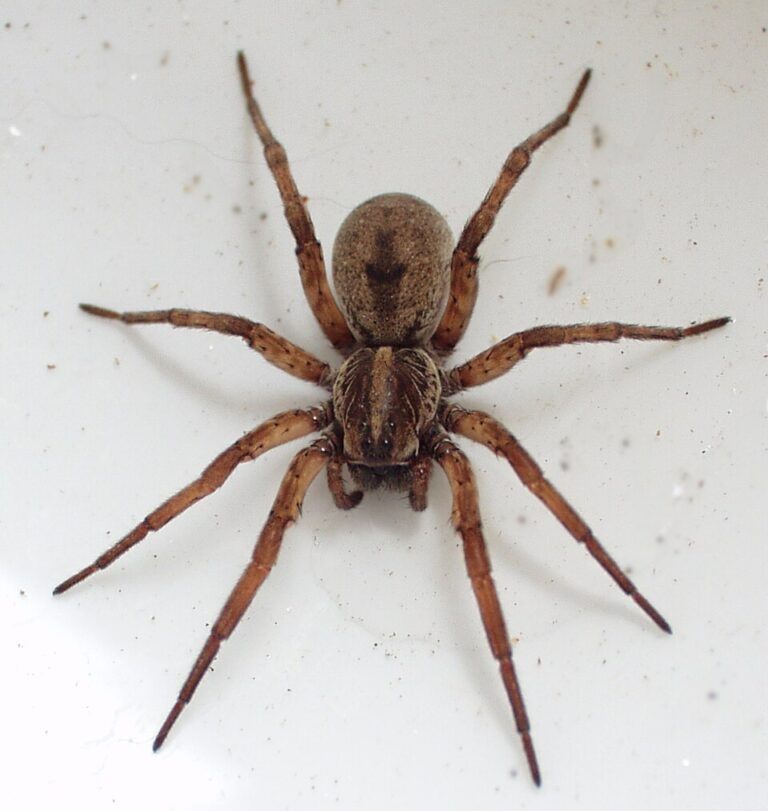
Wolf spider
Wolf spiders are bristly, fast-running spiders that stalk insects on foot rather than waiting in a web. They are common in Alberta yards, and the larger ones often startle people when they wander into basements and garages from spring to fall.
Still not sure what it is?
Send us a photo and our office team will call you back to identify it, recommend a treatment and book your visit. Or call us and describe what you are seeing.