Squirrel Removal

Results You Can Count On, Service You’ll Recommend

Why choose Technica?

What Customers Say

Cedrick removed a squirrel from my fireplace. It was difficult but he was gentle with the squirrel and took it to be cared for. Greatly appreciated his kindness.

Carol Berrington

Daniel was on time, friendly, and informative with our unwanted squirrel resident. He even noticed another issue and provided us options and a quote. Thank you Daniel! 👏

Crystal Douglas

Technica Squirrel Solutions

Squirrels may seem harmless outside, but once they get into a home or building, they can become a serious problem. They often enter through rooflines, soffits, vents, and other elevated openings, then nest in attics, wall cavities, and other protected spaces.

Once inside, squirrels can create constant noise, damage insulation, chew building materials, and keep returning if the entry point is not properly addressed.

At Technica Pest Solutions, our squirrel service focuses on identifying how they are getting in, removing the active problem, and sealing the access points to help prevent them from coming back.

We offer:

  1. Professional inspection
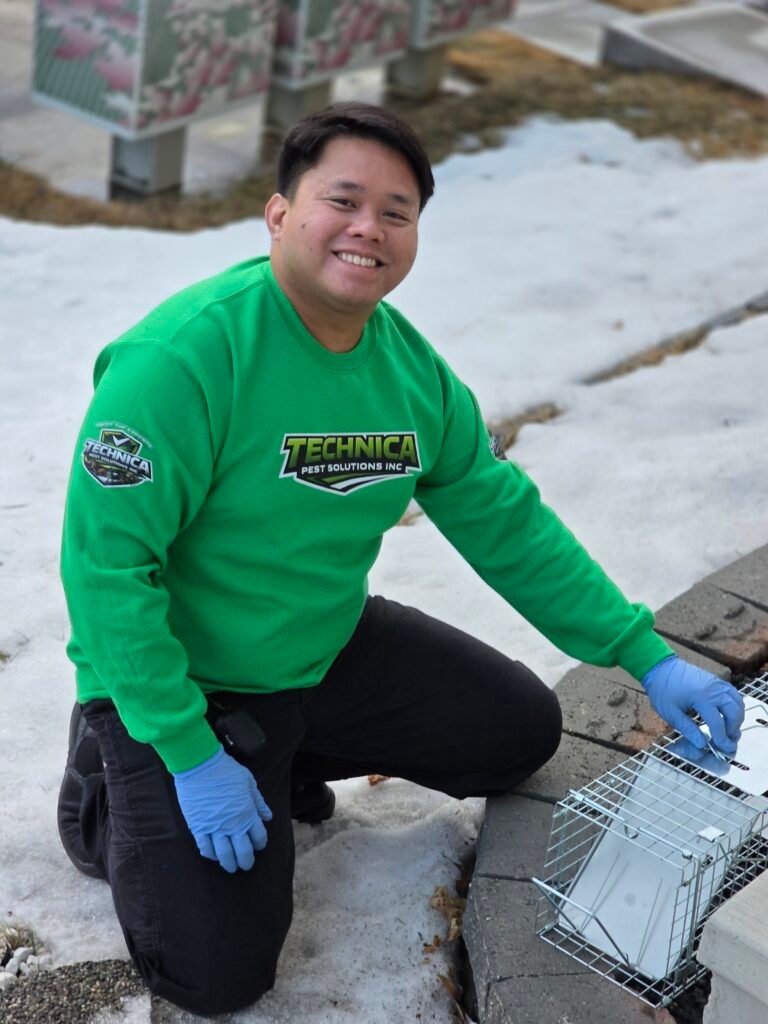
  2. Trapping and removal
  3. One-way door installation
  4. Entry point sealing service
 

1. Professional Inspection

What Is Included in the Inspection?

The first step is finding where the squirrels are entering and confirming the level of activity.

Our inspection looks for:

  • active entry points
  • chewing around soffits, vents, roof edges, or fascia
  • noises in attics, ceilings, or walls
  • nesting activity
  • visible travel routes
  • signs of damage around the structure

Where needed, inspection can also be completed using a drone operated by a certified drone operator. This helps us assess difficult-to-reach rooflines, upper exterior areas, and other elevated access points safely and accurately.


Why Inspection Matters

Squirrel problems often continue when the actual access point is missed. A proper inspection allows us to identify the problem areas and recommend the right removal and prevention plan.


2. Trapping and Removal

When Trapping Is Used

In some situations, trapping and removal is the best option to deal with active squirrel problems.

This method may be used when:

  • squirrels are actively using a specific area
  • immediate removal is needed
  • the structure or access point makes trapping the better option
  • activity needs to be controlled before repair or sealing work is completed

Our technician will determine whether trapping is the right approach based on the property and the activity found during inspection.


What to Expect

Assessment of Activity
We confirm where squirrels are entering and how they are using the structure.

Trap Placement
Traps are set in the appropriate locations based on the structure and the activity.

Removal
Once the squirrels are removed, we move to the prevention stage to reduce the chance of new activity.


3. One-Way Door Installation

What Is a One-Way Door?

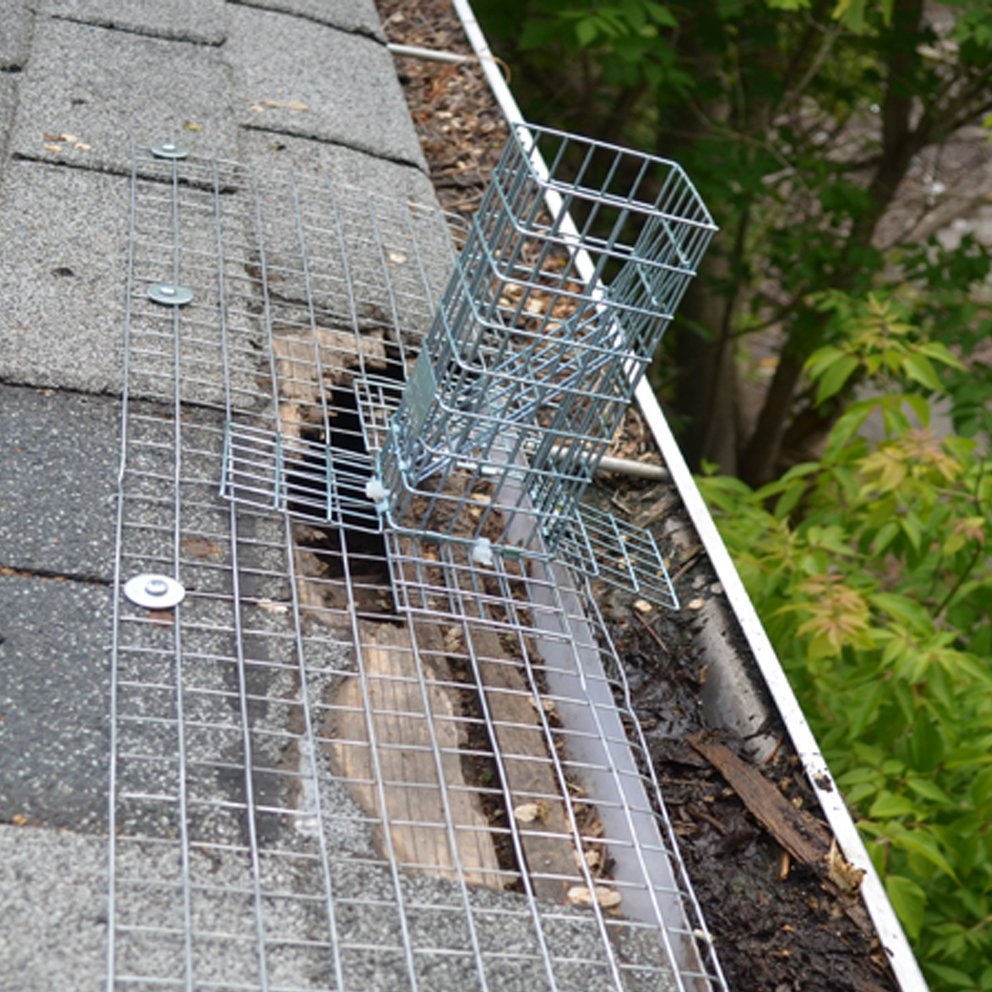
A one-way door allows squirrels to leave the structure but prevents them from getting back inside.

This is often a very effective option when squirrels are actively entering and exiting through a known opening. It solves the problem without sealing the animals inside.


How It Works

Entry Point Identification
We identify the main opening being used.

One-Way Door Installation
A one-way device is installed over the active entry point.

Exit Period
Squirrels are allowed to leave naturally, but they cannot re-enter.

Final Closure
Once the activity has stopped, the opening can be sealed properly.


Why This Method Works

  • allows squirrels to exit safely
  • prevents re-entry through the same opening
  • useful for active attic and roofline entry points
  • helps avoid sealing squirrels inside the structure
4. Entry Point Sealing Service

Why Sealing Matters

Removing the squirrels is only part of the solution. If the opening they used is still there, the problem can come right back.

That is why entry point sealing is an important part of squirrel prevention.

We seal the openings being used or likely to be used by squirrels, helping reduce the chance of future entry.

This may include:

  • soffit openings
  • roofline gaps
  • fascia openings
  • vent-related access points
  • construction gaps
  • other exterior openings connected to the activity

Proper sealing helps protect the structure after removal is complete.


Common Signs of a Squirrel Problem

  • scratching, running, or rolling sounds in the attic or ceiling
  • activity during the daytime or early morning
  • squirrels repeatedly climbing to the same section of the roof
  • visible chewing near soffits, vents, or roof edges
  • disturbed insulation or nesting material in attic spaces
  • signs of entry around elevated exterior openings

Where Squirrels Commonly Enter

Squirrels often get into buildings through:

  • soffits
  • fascia gaps
  • roofline intersections
  • attic vents
  • damaged exterior openings
  • weak points near the roof
  • areas that have already been chewed open

They usually choose elevated, sheltered areas that give them quick access to attic spaces.


Why Squirrels Keep Coming Back

Squirrel problems often return for a few simple reasons:

The entry point is still open
If the opening remains accessible, squirrels may keep using it.

The structure offers shelter
Attics and enclosed roof spaces provide warmth and protection.

There are other weak points nearby
Even after one opening is found, nearby vulnerable areas may still attract new activity.

That is why removal and prevention work best together.


Squirrel Service for Different Types of Properties

Homes

Squirrels commonly enter homes through the roofline and nest in attics or wall spaces. We identify the access point, remove the activity, and seal the entry area to help prevent it from happening again.

Multi-Unit and Managed Properties

In townhomes, condos, and managed buildings, squirrel activity can affect more than one section of the structure. We help identify the problem area and provide a clear plan for removal and prevention.

Commercial Properties

Squirrels can also enter commercial buildings where rooflines, vents, or upper exterior gaps provide access. We provide straightforward service to deal with the issue and reduce repeat entry.


What to Expect After Service

  • squirrel noise and movement should stop once the issue is resolved
  • entry point sealing helps reduce the chance of the problem returning
  • some properties may require follow-up depending on the layout and activity
  • early action usually makes the issue easier to solve and limits damage 

Frequently Asked Questions

Common signs include daytime scratching or running noises, visible squirrel entry near the roofline, and disturbed insulation or nesting material in the attic.


Yes. Where needed, we can complete inspection using a drone operated by a certified drone operator.


Yes, entry point sealing can be completed after removal if the client requests it. We inspect the structure first and provide a quote based on the entry points involved and the work required.


They can if access points are left open or if other vulnerable areas remain. That is why removal and sealing are both important.


That depends on the structure and the activity. In some cases trapping is the right option, and in others a one-way door is the most effective solution.

Get a free quote